Wet Carbon Bodykit Prototype – Mercedes-Benz Vito W447
Project Overview
This project was a full custom development of an exterior body kit for the Mercedes-Benz Vito W447 commercial van. The client needed OEM-level fitment and wanted every design idea proven before any production mold was made.
JCAUTO covered the complete workflow in-house: requirement definition, hand sketches, 3D design, 3D printed rapid prototypes, on-car fitment checks, and vacuum infusion (wet carbon) prototype production – iterating until the production data was locked.
Project Info
Client Country | Germany |
|---|---|
Project Name | Wet Carbon Bodykit Prototype – Mercedes-Benz Vito W447 |
Project Timeline | March 2024 – August 2024 |
Order Quantity | 300 sets (3 production molds; about 30 sets delivered per month in batches after sample approval) |
Client Type | European commercial vehicle aftermarket brand |
Process Type | 3D design + 3D printed rapid prototype + vacuum infusion wet carbon |
Client Requirements
Develop an exterior body kit for the Mercedes-Benz Vito W447 commercial van with OEM-level fitment. Styling, panel gaps, and mounting positions all had to be validated on the real vehicle before tooling started, so the client could avoid costly mold rework. After sample approval, the kit moved into batch production of 300 sets.

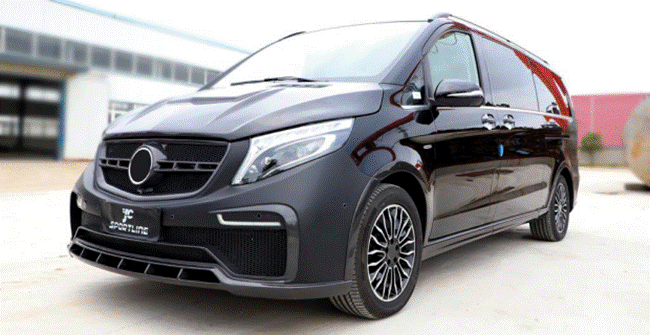
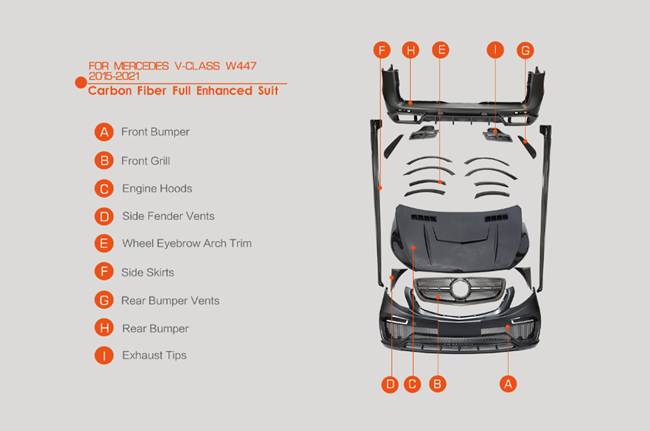
The full carbon fiber kit developed for the Vito W447
Scope of Customization
JCAUTO delivered 3D design, 3D printed rapid prototypes, and vacuum infusion wet carbon prototypes, with several rounds of fitment and styling iteration until the production data was locked. The entire process was completed in-house, so design and manufacturing stayed connected at every step. Wet carbon keeps the real carbon fiber look, controls cost, and stays stable for daily street use.

In-house 3D design of the body kit 
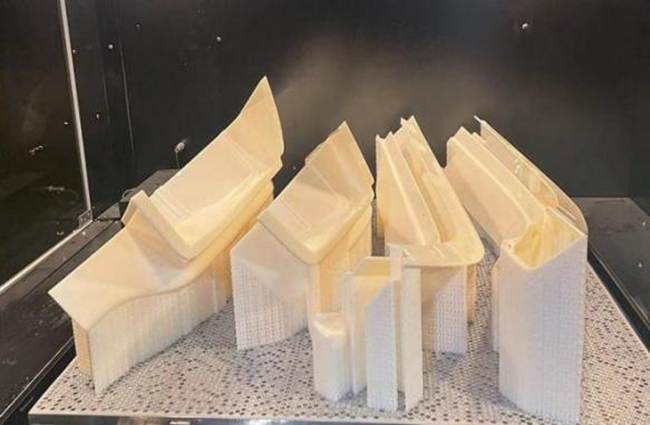
3D printed prototype parts for fast, low-cost checking

Pain Point
The commercial van body kit market offered few composite solutions with OEM-level fitment. Going straight to tooling carried high risk: design assumptions were not yet tested, and any problem with styling, gaps, or mounting points would trigger expensive and time-consuming mold rework.
Solution
JCAUTO used a step-by-step path: low-cost validation first, functional prototype second, data lock last. Hand sketches and 3D design set the styling direction. 3D printed prototypes then checked fitment and appearance on the vehicle at very low cost. After that, vacuum infusion wet carbon functional prototypes were produced and adjusted again and again. Formal tooling began only after fitment, appearance, and manufacturability were all confirmed.
Because design, prototyping, and mold making all happen inside JCAUTO’s own factories, nothing gets lost between disconnected suppliers – one of the key reasons clients trust us with custom development.

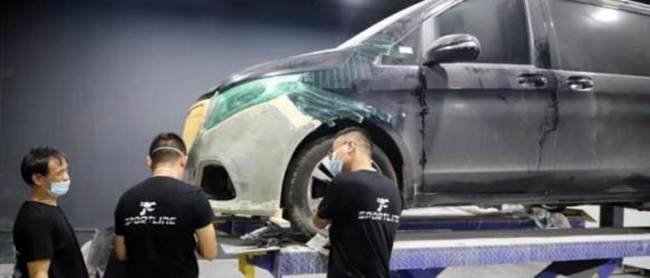
Prototype fitment check on the real vehicle
Final Result
All design risks were validated and closed before tooling, which greatly reduced the chance of mold rework and cut total development cost and time. The final prototype reached OEM-level fitment, and the project moved smoothly into molds and production.
Three production molds were built, and about 30 sets are now delivered per month in batches – a clear example of how JCAUTO takes a custom kit from idea to stable batch supply.

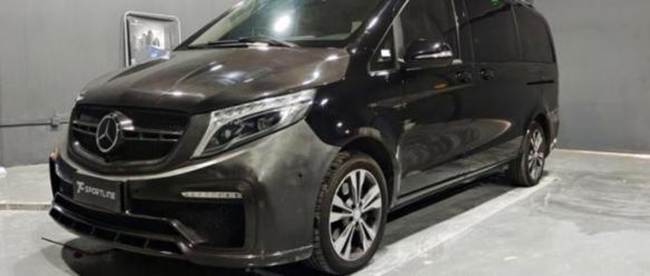
Front view of the installed production kit 
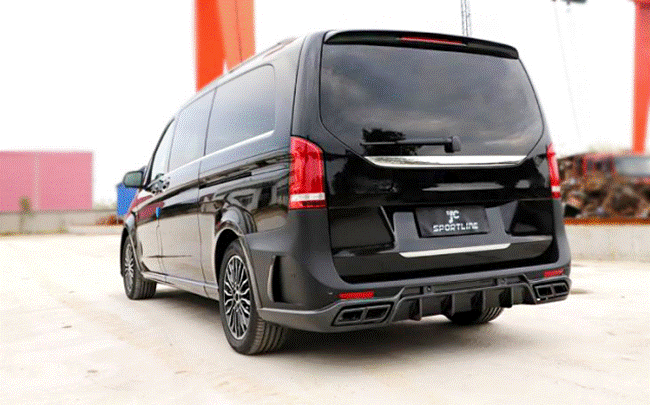
Rear view of the installed production kit
Other Projects / Case Studies
More +