
Carbon Fiber Curing Molds Factory — Custom Curing Tooling for Composite Parts
We are a carbon fiber curing molds factory. We design and build the molds that cure your parts: autoclave molds, oven-cure molds, compression molds, and RTM molds — steel, aluminum, or carbon composite. Every mold is engineered for the cure cycle: matched thermal expansion, even heating, and vacuum-tight construction. Backed by our full carbon fiber tooling capability, we take your project from drawing to cured parts in one factory.
Get a Free Mold Quote See Mold TypesCuring Molds We Build
Different cure processes need different molds. Tell us your process — or let our engineers recommend one.

Autoclave Curing Molds
Dry Carbon · High Performance- Vacuum-tight construction for pressure cycles
- CTE-matched design for tight tolerances
- For prepreg and dry carbon parts
- Best surface quality and strength

Oven / Out-of-Autoclave Molds
OOA · Flexible- Simpler build, lower tooling cost
- Fast turnaround for prototypes
- Suits wet carbon and OOA prepreg
- Good for low-to-mid volumes

Compression & Hot-Press Molds
High Volume · Steel- Matched two-part steel tooling
- High pressure and temperature resistance
- Fast cycles for mass production
- Lowest cost per part at volume

RTM Molds
Resin Transfer · Closed Mold- Engineered injection ports and venting
- Sealed two-part construction
- Consistent resin distribution
- Clean finish on both part faces
Engineered for the Cure Cycle
A curing mold lives through hundreds of heat-and-pressure cycles. These five details decide whether it keeps making good parts.
CTE Matching
The mold and the carbon part expand differently when heated. We match the tooling material to your resin and cure temperature, so dimensions stay accurate cycle after cycle.
Even Temperature
Uneven heating causes warpage and weak spots. Our molds are designed for uniform heat distribution across the whole cavity.
Thermal Cycle Life
We choose materials and structures that survive repeated heating and cooling without cracking, warping, or losing surface quality.
Vacuum Integrity
For autoclave and vacuum processes, we build and test sealed tooling that holds pressure — no leaks, no voids in the laminate.
Surface Finish
Mold surface becomes part surface. Mirror polishing options give Class-A finishes that need little post-processing.
Demolding Design
Draft angles, parting lines, and release strategy are planned at design stage, so parts come out clean and cycles stay fast.
Mold Materials for Curing Tooling
| Mold Material | Cure Temperature | Mold Life | Best For |
|---|---|---|---|
| Steel | High (autoclave / hot press) | Very long | Mass production, demanding cure cycles |
| Aluminum | Up to ~180°C | Medium–long | Prototypes and mid-volume oven/autoclave cures |
| Carbon composite | ~130–180°C (resin dependent) | 100–300+ cycles | CTE-critical parts, small-to-mid volumes |
Not sure which material fits your cure process? Send us your part drawing and cure spec — we will recommend the option with the best total cost.
Real Mold Life Data from Our Factory
We run our own curing molds in production every day, so our numbers come from the shop floor — not from a brochure.
From Mold to Finished Part — One Factory
Most mold shops only sell you the tool. We are different: we build the curing mold and then run your production in the same factory — compression molding, vacuum process, and prepreg hot pressing. No handoff gaps, no finger-pointing between suppliers.
Start with a prototype to validate fit and surface, move through our proven development process, and scale to mass production on production molds — all under one roof.
What Our Curing Molds Produce
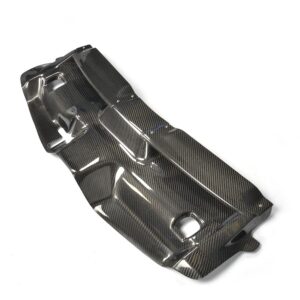
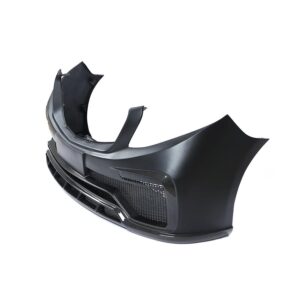
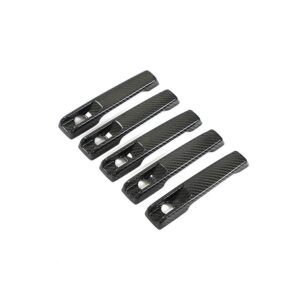
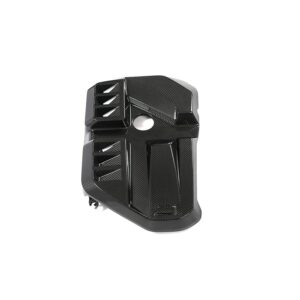
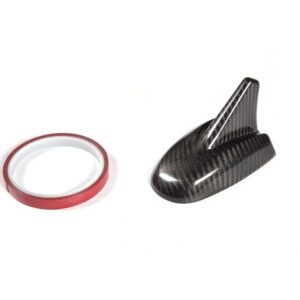
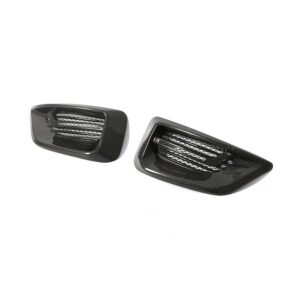
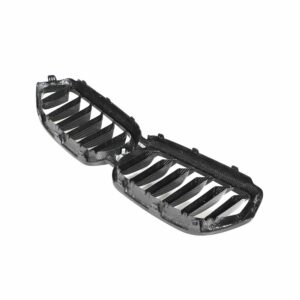
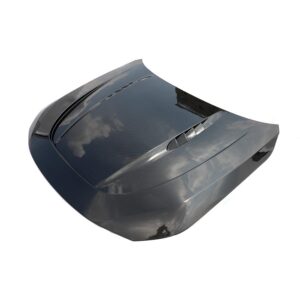
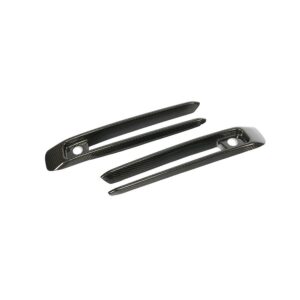
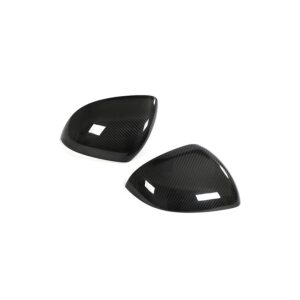
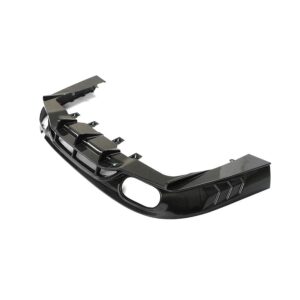
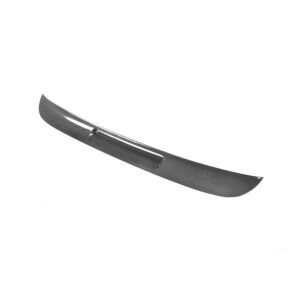
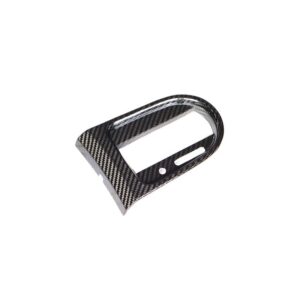
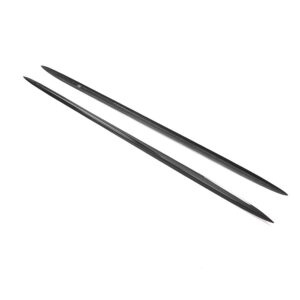
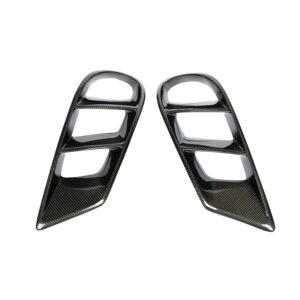
Our curing molds run production across our full parts catalog — all 22 part categories, from exterior aero to interior trim.







Why Choose Our Factory?
Factory-Direct Molds
You buy from the factory that machines and uses the molds — no trading company markup. Learn more about our factory.
80+ CNC Machines
In-house machining capacity keeps mold delivery fast and tolerances tight.
On-Time Delivery 98%
Our AI system tracks every step of mold development and production, with transparent schedules.
Free Feasibility Review
Engineers check your design for manufacturability (DFM) and cure-process fit before you spend money.
Real Production Data
Mold life numbers come from our own production lines, so you can plan cost per part with confidence.
One-Stop Production
Mold, curing, finishing, and quality control in one factory — one supplier, one quality standard.
Frequently Asked Questions
What is a carbon fiber curing mold?
What temperature can your curing molds handle?
Autoclave vs oven curing — which mold do I need?
How many parts can a curing mold produce?
How much does a curing mold cost?
How long does it take to build a curing mold?
Can you also produce the carbon fiber parts?
Start Your Curing Mold Project
Send us your part drawing and cure process. Our engineers will reply with a free feasibility report — mold material, process, timeline, and cost.
Get a Free Feasibility Report