
A carbon fiber hood typically costs $500–$2,000 at retail. At JC AUTOCARBON — the factory behind these parts — the same hood starts from $300–$600 per piece. You can buy in three ways: in-stock parts from our overseas warehouse, custom orders on our existing molds, or full custom development with a new mold.

- Three Ways to Buy a Carbon Fiber Hood – and What Each Costs
- Why We Recommend Ordering 20 Pieces
- What Affects the Price of a Carbon Fiber Hood?
- Carbon Fiber Hood Prices by Vehicle Model
- Total Cost: More Than the Part Price
- Real Carbon Fiber vs Vinyl Wrap
- What a Cheap Hood Really Costs You
- Carbon Fiber Hood Pricing FAQ
Three Ways to Buy a Carbon Fiber Hood – and What Each Costs
Every buyer is different. Some need parts this week. Some want to build their own brand. Some need a part that does not exist yet. As the factory, JC AUTOCARBON covers all three — so you skip the middlemen and never pay the retail markup.
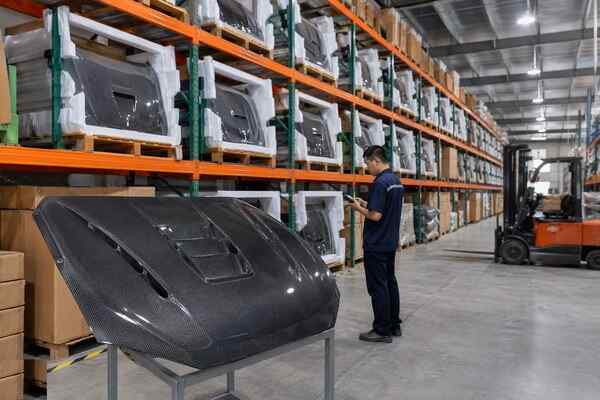
Ready-to-Ship from Overseas Warehouse
- No mold cost, no development wait
- Ships from US / EU warehouse in 3–7 days
- Recommended batch: 20 pcs — the cost-optimal quantity
- Mix different parts to reach 20 pcs in one shipment
- Popular models: BMW, Audi, Tesla, Mustang and more

Customize on Our Existing Molds
- Weave: 3K twill / forged carbon (+10–20%)
- Finish: gloss / matte (+10%) / painted
- Process: from wet carbon up to dry carbon pre-preg
- Your logo, label and custom packaging
- Recommended batch: 20 pcs — the cost-optimal quantity
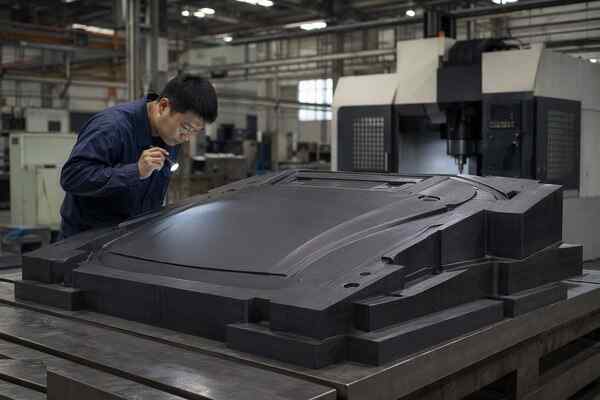
Full Custom Development
- Functional design: vents, scoops, heat extraction
- Developed from OEM sample, 3D scan or CAD data
- FRP / epoxy / aluminum tooling by production volume
- Lower unit cost on every repeat order
- Mold ownership and exclusivity negotiable
Why We Recommend Ordering 20 Pieces
Making and shipping 20 pieces together costs much less per piece than making 1 or 2 — the work and the freight are shared across the batch. That is why 20 pcs gives you the lowest unit price, for in-stock parts and custom orders alike. You can mix different parts and models in one 20-pc batch.
MOQ is not the same for every part — it depends on size, process and packing. Send us your part list and we will work out the best price plan for your order.
What Affects the Price of a Carbon Fiber Hood?
The price of a hood is not random — it comes from a few clear factors. Once you know them, you can plan your order better, and you will see why our factory price is so much lower than retail.
| Factor | Options | Impact on Price |
|---|---|---|
| Manufacturing process | Wet carbon → vacuum infusion → dry carbon (pre-preg, autoclave) | Dry carbon costs more, but it is lighter and stronger |
| Carbon weave | 3K twill (standard) / forged / honeycomb | Forged & honeycomb: +10–20% |
| Surface finish | Gloss (standard) / matte / painted | Matte: +10%; painted quoted per color |
| Construction | Single-sided (FRP underside) / double-sided carbon | Double-sided: higher material & labor cost |
| Order quantity | Sample → 20 pcs (recommended batch) → 50+ pcs | The more you order, the lower the unit price — 20 pcs is the best-value batch |
| Tooling (new designs) | FRP mold / epoxy mold / aluminum mold | One-time $1,500–$3,000+; repeat orders skip this cost |
| Mold availability | Existing mold / new mold | Existing mold = no tooling cost; a new mold adds a one-time fee |
| Shipping method | Overseas warehouse / sea / air / express | Sea freight is cheapest for batches; air is fastest but costs more |
* All prices are reference ranges. The final quote depends on your vehicle model, design and quantity — send them to us and we reply with exact factory numbers within 24 hours.
Carbon Fiber Hood Prices by Vehicle Model
Prices change with the car. Here is what popular models sell for — and what the same hood costs factory-direct from JC AUTOCARBON:
| Vehicle Model | Popular Style | Retail Reference | JC Factory Reference |
|---|---|---|---|
| BMW 3 Series / 4 Series (G20 / G22) | OEM-style · M-style vented | $900–$1,800 | $350–$600 / pc |
| Ford Mustang (S550 / S650) | OEM · GT500-style vented | $1,000–$2,000 | $380–$650 / pc |
| Tesla Model 3 / Model Y | OEM-style | $800–$1,500 | $300–$550 / pc |
| Audi A4 / A5 (B9) | OEM-style | $900–$1,700 | $350–$600 / pc |
| Honda Civic (10th / 11th gen) | OEM · Type-R vented | $700–$1,400 | $300–$500 / pc |
| Nissan GT-R / 400Z | Vented | $1,200–$2,500 | $450–$800 / pc |
* Reference ranges for 3K twill, gloss finish. Your model year not listed? Send it to us — we quote within 24 hours.
Total Cost: More Than the Part Price
The price on the product page is not the final number. When you plan a hood order, budget for the full landing cost:
| Cost Item | Typical Range | Notes |
|---|---|---|
| The hood itself | $300–$600 / pc factory-direct | 20-pc batch = lowest unit price |
| Installation | $100–$300 | Body shop swap + alignment; DIY possible with 2 people |
| Hood pins | $30–$70 | Recommended for vented and track hoods |
| PPF protection | $150–$400 | Optional — keeps the clear coat from stone chips |
| Freight & import duties | Varies by country | A hood is oversize freight; duties & VAT depend on destination |
How JC AUTOCARBON cuts this cost: in-stock hoods ship from our US / EU warehouses — no surprise import duties, no 6-week sea wait, no long-distance damage risk. For batches, we ship by sea with DDP terms — the quote you get is the final number, everything included.
Install Guide Carbon Fiber Hood Installation Guide — factory hinge bolt-on, gap alignment and accessory transfer, step by step from the factory. →Real Carbon Fiber vs Vinyl Wrap
A carbon-look vinyl wrap costs $200–$600 installed — about one tenth of a real carbon hood. It is a fair choice if you only want the look: it lasts around 5 years and can be removed anytime.
But a wrap adds zero performance. A real carbon fiber hood cuts weight by roughly half versus a steel hood, adds real stiffness, and holds resale value. If the goal is only style, wrap is enough. If you want the weight saving and the strength — that only comes from real carbon.
What a Cheap Hood Really Costs You
Two hoods can look identical in photos and behave completely differently on the car. Low prices usually come from three shortcuts:
Only 3–5 random carbon layers. The hood flexes when you pop the latch, and the center bulges over time.
Mounting holes don’t line up. Edge gaps, rubbing panels, hours of grinding at the body shop.
The hood vibrates at 100+ km/h. In the worst case it cracks or lifts at speed — a real safety risk.
A cheap hood can cost more in the end: returns and refunds, weeks of delay, body-shop rework — and for resellers, damage to your own brand.
- Molds from real-car 3D scans, CNC-machined, accuracy within ±0.3 mm
- Trial-fit on a real car before mass production starts
- Engineered multi-layer layup — every layer has a job, nothing is random
- Fit & surface QC on every piece before it goes into the crate
Three Tips to Get the Lowest Factory Price
- Choose an existing mold when you can — you pay no tooling fee
- Order a mixed 20-pc batch — the lowest unit-price tier
- Use overseas warehouse stock or sea freight — save on shipping
Carbon Fiber Hood Pricing FAQ
Reviewed by JC AUTOCARBON factory engineers · Prices verified against our production data · Last updated: September 2026. All prices are reference ranges — send us your vehicle model for an exact quote.
Get an Exact Factory Quote from JC AUTOCARBON
Send us the vehicle model, a photo or drawing, and your target quantity — our factory team replies with a detailed quotation within 24 hours.
Factory-Direct Carbon Fiber,
Built for You
Custom parts engineered and manufactured in-house — from one-off samples to bulk orders.
Free quote · No obligation · Takes about 1 minute
In a hurry? Chat on WhatsApp →
Working hours: Monday – Saturday, 9:00 – 18:00 (GMT+8)
Check Our Carbon Fiber Hood Products
Other Part Pricing Guide
Planning a budget? See more pricing guides by part type in the Resource Center.
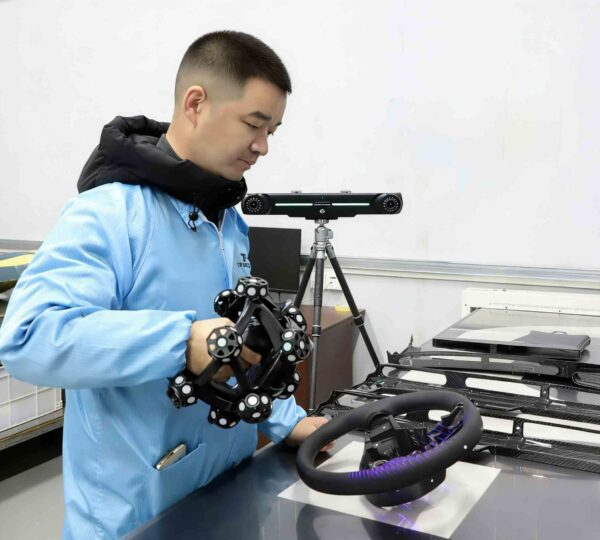
Author: He Dong
He Dong has spent 20+ years doing what he loves most — making cars and bikes faster, sharper, and better looking.
As an Automotive & Motorcycle Engineering Specialist, he’s worked on everything from engine builds and chassis tweaks to track machines and custom aftermarket projects. If it has wheels and an engine, he’s probably taken it apart and made it better.
These days he focuses on the aftermarket world, where good engineering meets real-world budgets — and he’s not shy about calling out parts that look great in photos but don’t perform.
This blog is where he shares what’s worked, what’s failed, and what he’s learned along the way. Honest, hands-on advice, straight from someone who’s done the work himself.