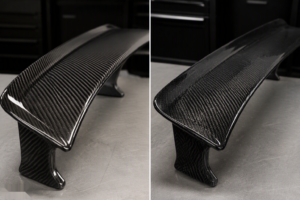
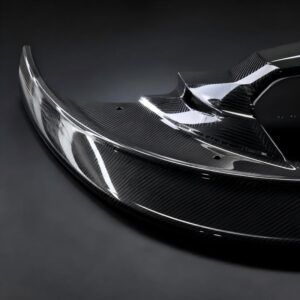
A carbon fiber part can look stunning in the box and terrible after one summer in the sun. Yellowing, bubbles, peeling clear coat, wavy weave — these are the defects that separate a real manufacturer from a workshop with a good camera.
Quality is not a promise. It is a system. Here is the system we run at JC AUTOCARBON, and the questions you should ask any supplier before ordering.
Will Carbon Fiber Turn Yellow?
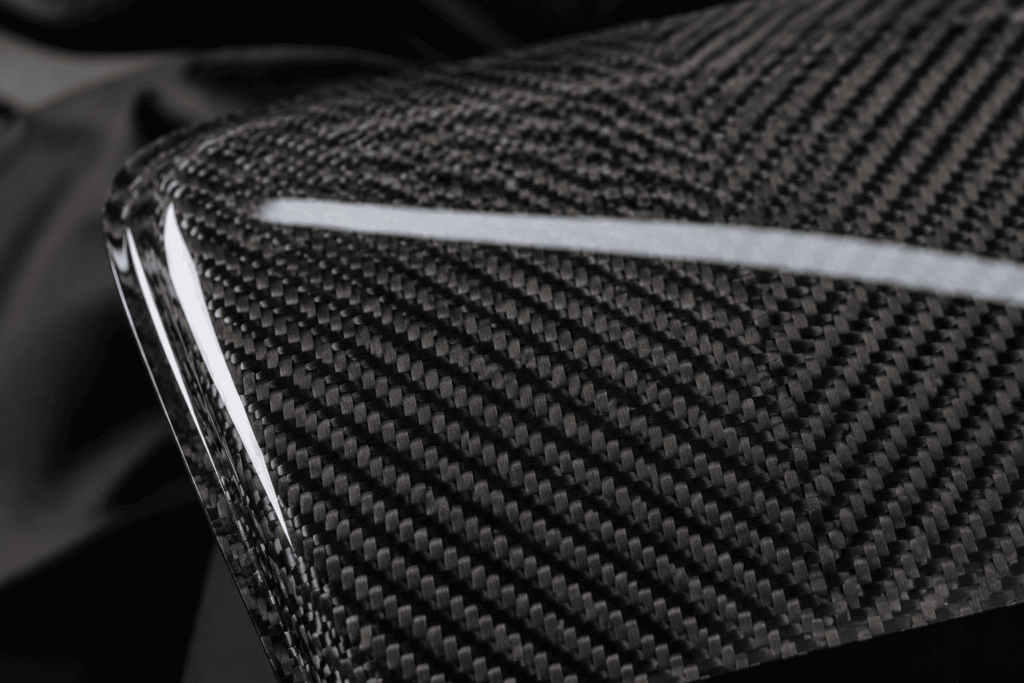
The carbon fiber itself does not yellow — the resin and clear coat do, if they are cheap. That is why we use UV-resistant resin and coating systems matched to each product’s requirements, and validate surface durability through weathering and aging tests where applicable.
For projects that need longer anti-yellowing performance — parts that live in direct sun — higher-end coating systems are available. Tell us where the part will be used, and we will recommend the right protection.
How Do You Prevent Bubbles, Scratches, Peeling, and White Spots?
Each defect has a cause, and each cause has a control:
None of these are accidents. They are the result of skipping process controls — which is why we document every step.
Keeping the Weave Consistent Across Multi-Piece Kits
Anyone can make one nice-looking part. Making a ten-piece body kit where every weave direction matches is a different skill.
For multi-piece products, we plan at the SOP stage:
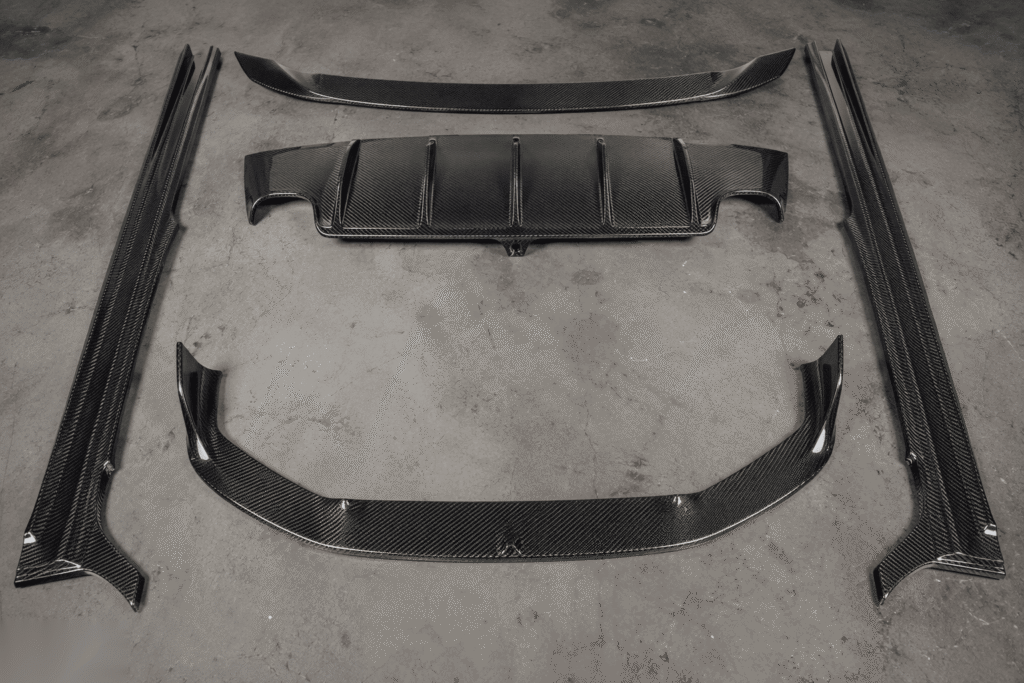
This is how front lips, side skirts, hoods, and wings arrive looking like one designed set — not ten parts from ten different days.
A note of honesty:
On highly curved areas, slight weave stretching or visual variation can occur in any carbon fiber part. We control it through cutting and layup planning, and we define acceptable standards with you before production.
What Tests Can Carbon Fiber Parts Go Through?
Depending on the product and application, our testing can include:
For B2B project orders, we define the inspection standards and validation items with you before mass production — in writing.
Is Every Part Inspected Before Shipment?
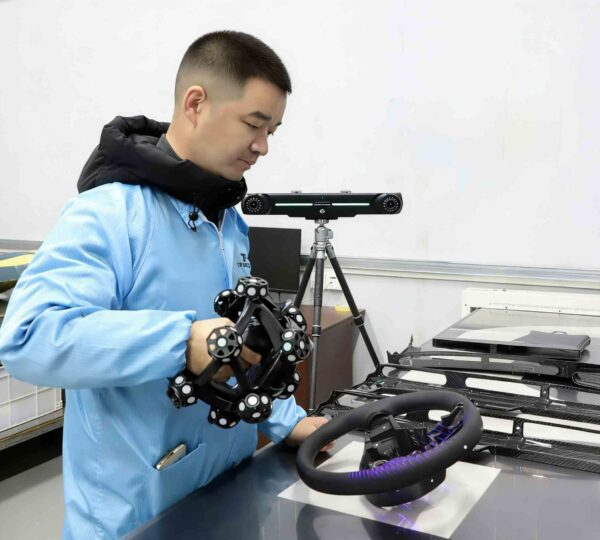
Yes. Every finished product passes checks on:
Our quality system runs on ISO 9001 and IATF 16949 standards — the same frameworks used by the automotive industry itself.
What Happens If Something Goes Wrong?
Even good systems need a good response plan. If a quality issue occurs:
- You send photos, videos, and order details
- We determine whether the cause is manufacturing, shipping, installation, or handling
- We provide repair, replacement, compensation, or another solution based on responsibility
For a serious batch issue, we open a formal quality review:
root-cause investigation across engineering, quality, and production; corrective actions; updated work instructions; and a solution communicated to you. We would rather fix a problem once than explain it twice.
FAQ
Want to see our quality before you order?
Ask for a sample or inspection documentation — we are happy to prove it, not just promise it.
Want to keep reading? Browse the full Resource Center for more articles, installation guides, and pricing insights from the factory.
Author: He Dong
He Dong has spent 20+ years doing what he loves most — making cars and bikes faster, sharper, and better looking.
As an Automotive & Motorcycle Engineering Specialist, he’s worked on everything from engine builds and chassis tweaks to track machines and custom aftermarket projects. If it has wheels and an engine, he’s probably taken it apart and made it better.
These days he focuses on the aftermarket world, where good engineering meets real-world budgets — and he’s not shy about calling out parts that look great in photos but don’t perform.
This blog is where he shares what’s worked, what’s failed, and what he’s learned along the way. Honest, hands-on advice, straight from someone who’s done the work himself.