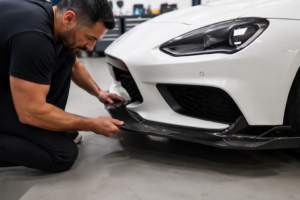
Quick Answer:
No. At least not the “welding” in traditional meaning. Metal welding works by let the metal melt, fuse together and then cool down to shape. But carbon fiber material mostly use thermoset resin matrix, after heating it will not melt, it directly decompose and carbonize, the arc or welding torch will only burn the part through and make it brittle.
There are only four types of method in reality to connect carbon fiber to metal frames: structural adhesive bonding, mechanical fastening, co-curing molded-in metal inserts, and hybrid joints of adhesive + fasteners. The only exception is carbon fiber composite with thermoplastic resin (CFRTP), it really can be “welded”, we will explain it specially below.
Why You Can’t Weld Carbon Fiber Like Metal
Everyone knows, the principle of welding is rely on metal locally heated and melted, liquid metal after cooling re-solidify into one body. Steel, aluminum, titanium all have welding condition. Welding can be established, depend on one premise: the material being connected must locally melt under the heat source, liquid metal after cooling re-solidify into one. Common metals such as steel, aluminum, titanium, they all can melt, and have the welding condition.

Carbon fiber composite material is another thing. It is not a single material, but a composite structure of “carbon fiber filaments + resin matrix”, the dominant epoxy resin inside is thermoset plastic. Thermoset plastic the molecules already formed irreversible three-dimensional cross-linked network when curing, and it will not soften or melt when heating to hundred degrees again, it will just directly thermally decompose, smoke, carbonize. As for carbon fiber itself, although the temperature resistance is extremely good, but it neither melt nor flow, only keep the original shape in fiber form.
That is to say, you use welding torch on carbon fiber part, except a burnt pit, you will get nothing.
So no matter “weld carbon fiber to steel frame”, “weld carbon fiber to aluminum alloy”, or “weld two carbon fiber plates together”, as long as the part is traditional thermoset carbon fiber composite, the answer is same: No.
The Exception: Welding Thermoplastic Carbon Composites (CFRTP)
But there also exist a small probability situation. That is your carbon fiber part’s matrix use thermoplastic resin (such as PA, PPS, PEEK), then it have the welding condition.

This kind of thermoplastic resin can let carbon fiber be heated and softened, then cool down to fix shape. This carbon fiber reinforced thermoplastic composite (CFRTP) really can be welded. At present the mature processes in industry mainly have three types:
- Resistance Welding: bury conductive heating element in the lap interface, electrify to generate heat so the interface resin melt then pressure cure;
- Induction Welding: use carbon fiber’s own conductivity, in alternating magnetic field let the material inside induction generate heat, achieve non-contact heating;
- Ultrasonic Welding: high frequency vibration make the interface friction heat, finish connection in few seconds, suitable for automatic production line of small and medium parts.

CFRTP welding in aviation field already move toward practical use, some patents for “thermoplastic carbon fiber + metal” dissimilar material welding also published in recent years, the idea is to machine micro structure on metal surface, then let molten resin embed and anchor. But must pay attention two points: first, this kind of joint’s strength upper limit and long-term reliability still generally lower than adhesive bonding and molded-in structure; second, metal and carbon fiber directly contact at welding interface, on the contrary buried the hidden danger of galvanic corrosion (detail later). And bicycle frames, car modification parts, drone arms these carbon fiber parts you can touch daily, almost all are thermoset, so the probability to meet weldable carbon fiber part is small.
How Do You Attach Carbon Fiber to Metal? 4 Methods That Actually Work
Cannot weld, not means there is no other way to connect carbon fiber.
Actually, in these decades aerospace and high-end manufacturing already verified the methods of connecting carbon fiber in practice again and again. Below four methods sorted by use frequency, explain one by one the principle, process key points and applicable scenes.
Quick reference of four connection methods:
Method | Strength level | Detachability | Process threshold |
|---|---|---|---|
Adhesive bonding | High (shear direction) | Not detachable | Medium: focus on surface treatment |
Mechanical fastening | Medium-high (weakened by holes) | Detachable | Low: normal assembly |
Co-curing molded-in | Highest | Not detachable | High: need mold and curing equipment |
Hybrid joint | Highest + redundancy | Semi-detachable | High: two process chains |
1. Adhesive Bonding — The Industry Standard
Structural adhesive bonding is the most common method for carbon fiber and metal connection, aviation, automotive, and bicycle industry, they all use this method. Two-component epoxy structural adhesive is the most common glue tyepe, when the parts have special requirement for strength or toughness, it will also choose acrylic or polyurethane adhesive. The mechanical logic of bonding is completely different from welding: load transfer evenly through the whole lap surface in shear form, no local stress concentration like weld spot, also no need to open holes on the part.
Bonding also have one often ignored advantage: the cured adhesive layer is electrical insulator, just separate the conductive carbon fiber from metal, naturally suppress galvanic corrosion, this point is especially important for carbon fiber + aluminum alloy combination.

But bonding have very high process requirement, surface treatment difficulty is big: carbon fiber side need to use isopropyl alcohol or acetone completely remove oil, then moderately sand to increase roughness (never use sandblasting on carbon surface, that will directly cut the surface fibers); metal side need to deal with oxide layer, aluminum alloy usually need sanding, primer even anodizing. After applying glue cure at room temperature or heating according to adhesive requirement (take bicycle industry as example, typical “carbon tube + metal joint” bonded frame will finish final cure in 65–82°C oven).
Advanatages:
Limitations:
2. Mechanical Fasteners — Bolts, Rivets, and Threaded Inserts
The advantage of bolts and rivets is detachable, inspectable, performance predictable, so the parts that need frequent maintenance will choose fastener connection, such as battery box cover, car body panel, airborne equipment bracket and so on. Blind rivet suits for thin plate single-side operation, bolt suits for structure need tightening torque, and Threaded Insert is the standard way to permanently embed “detachable thread” into carbon fiber part.
But drilling holes on carbon fiber also have defects. Drilling will cut the continuous reinforced fibers, hole edge become stress concentration point, laminate’s bearing strength and tensile strength both will discount; poor quality drill bit or improper feed also will cause hole edge delamination, burr.

Common countermeasures: hole area locally add plies or glass fiber patch, use enlarged washer to disperse clamping force, strictly control tightening torque. You also need pay attention to fastener material, carbon fiber has high potential requirement, carbon steel or 400 series stainless steel bolts will become the corroded anode when they are in humid environment ; titanium alloy or 316L stainless steel is the most safe option to live together with carbon fiber in long-term.
Advanatages:
Limitations:
3. Co-Curing and Molded-In Metal Inserts
If your project still in design stage, want to choose a best solution, then you can put metal insert directly into mold, co-cure together with carbon fiber prepreg in autoclave. Resin when curing form chemical bond with treated metal surface, metal part from then become part of the component body, both save assembly process, no glue line, more no possibility of loosening. → Start a custom development project
Bicycle industry’s most common connection method is this method, carbon fiber frame’s head tube, bottom bracket, derailleur hanger these positions need tapping thread, press bearing, bear interface load, almost all use aluminum alloy insert, either embedded co-cured at layup stage, or secondary bonded in place after tube curing. High-end aluminum frame brands even operate reversely: carbon fiber tubes bonded into CNC machined 7075 aluminum alloy “Lug”, bypass 7075’s shortcoming of hard to weld. Design key point is insert surface need knurling, groove or sandblasting anchor structure, and handle well the electrical insulation between carbon and metal.

Advanatages:
Limitations:
4. Hybrid Joints — Adhesive Plus Fasteners
“Adhesive + bolt/rivet” hybrid connection is the highest safety level connection method, widely used in automotive and aviation field. Adhesive layer bear most shear load, seal interface and isolate corrosion channel, fasteners responsible to resist peel force, limit adhesive crack propagation, and provide last mechanical insurance when adhesive fail. Two complement each other, joint’s strength, fatigue life and failure safety all significantly better than any single connection method. The price is process complexity and weight both increase accordingly, so only used on parts really expensive, cannot afford damage.

Advanatages:
Limitations:
Why Carbon Fiber Corrodes Aluminum and Steel
Many people think carbon fiber not rust, so connect with metal together will not have any problem. Carbon fiber indeed avoid rust problem, but because its electrode potential is extremely high and it can conduct electricity, directly contact with low potential aluminum alloy or steel, meanwhile environment exist water film, sweat or salt fog such electrolyte, will directly make a galvanic cell, then cause galvanic corrosion problem.
When galvanic corrosion happen, aluminum part surface will appear white chalky aluminum hydroxide powder, around bolt holes start become uneven, brittle, finally fastener directly come out from rusted empty hole. The whole corrosion process maybe all happen under surface coating, you cannot find at all, when you see powder, load-bearing section often already damaged serious. Humid outdoor, coastal area, winter snow-melt salt road, all extremely easy appear galvanic corrosion.

How to Prevent Galvanic Corrosion in Carbon–Metal Joints
Galvanic corrosion need three conditions establish at same time: potential difference, conductive path, electrolyte. Engineering protection idea is disassemble these three conditions one by one:
- Glass fiber isolation layer: co-cure 2–4 layers glass fiber between carbon fiber and metal contact surface (total thickness about 0.3–1.0 mm). Glass fiber not conductive, even sealant aging fail, carbon and metal also will not directly contact. This is aviation and ship field most common anti-galvanic corrosion method;
- Use adhesive layer as insulator: use non-conductive epoxy bonding, let adhesive film also act as isolation layer. But don’t naively think part surface resin layer naturally insulate, machined edge, drilled hole, scratch all will let internal carbon fiber expose out;
- Fastener wet assembly: bolt coated with sealant or anti-corrosion paste assembly, hole inside add insulating bushing, under bolt head add PTFE or epoxy glass fiber insulating washer, cut off “bolt—carbon plate—metal” electric path;
- Metal surface treatment: aluminum part anodizing, chemical conversion film or anti-corrosion primer, improve own corrosion resistance and increase contact resistance;
- Choose right contact material: titanium alloy and 316L stainless steel have smallest potential difference with carbon fiber, is first choice when must directly contact; carbon steel and ordinary stainless steel should avoid;
- Control area ratio and drainage: avoid “small metal part hang on super big carbon structure” such big disparity area ratio; joint design drainage path, not let water vapor accumulate in gap.
JC Autocarbon practical tip:
In our mass production projects, isolation design must finish at drawing stage: which surface contact, which hole need bushing, fastener use what material, edge how to seal, all must draw into interface definition. Wait until part machined then “patch anti-corrosion”, almost always leave uncontrolled contact point.
Real-World Examples — How Carbon Parts Meet Metal Frames
- Bicycle: carbon fiber frame’s head tube, bottom bracket, hanger generally are embedded or secondary bonded aluminum alloy parts; classic “carbon tube + metal Lug” structure rely on epoxy glue to bond carbon tube into CNC aluminum joint, positioned in pneumatic fixture then into oven cure. High-end aluminum frame brands reversely use bonded Lug process to avoid 7075 aluminum alloy hard to weld problem;
- Automotive: carbon fiber passenger cell and aluminum alloy chassis/suspension bracket generally use “structural adhesive + fastener” hybrid connection, and do coating isolation on aluminum side; body panel carbon fiber parts largely use embedded threaded insert plus bolt;
- Aviation: titanium alloy fasteners on carbon fiber fuselage count by millions, every one follow “insulation + sealing” wet assembly specification; titanium, carbon potential close, is most worry-free match;
- Drone and robot: carbon plate frame through metal insert + bolt connect motor seat and arm tube, both lightweight and repairability.
Common point summary
Load-bearing interface give to adhesive or molded-in structure, interface function (thread, bearing seat, mounting hole) give to metal insert, corrosion channel give to insulation design. Three each do its own job, totally no need welding.
Can You Repair Carbon Fiber on a Metal Frame?
No matter making or repairing carbon fiber-metal composite part will not use welding. Professional carbon fiber repair process is: NDT confirm damage range → sand layer by layer to remove damaged plies (form scarf lap surface) → cut carbon cloth patch consistent with original ply direction → use epoxy resin laminate layer by layer, vacuum compact → after cure sand and paint. As long as operate according to specification, repair area strength basically can recover to original part level.
need say clear:
Two key points
1. Non-load-bearing surface scratch (clear coat layer, surface fabric wear) use epoxy glue fill and sand is enough, like JB Weld this kind epoxy glue is qualified for small non-structural repair;
2. Crack damage main load-bearing ply or around metal insert belong to structural damage, must give to professional organization with NDT ability, don’t use “glue paste it” to bet safety.
FAQ
Not sure which process fits your project?
Send us your part drawings or a sample
Our engineering team will review it and recommend the most cost-effective route.
Decided carbon fiber is the right call? Browse our carbon fiber body kits & aero packages, or look up your vehicle in the brands & models directory.
Want to keep reading? Browse the full Resource Center for more articles, installation guides, and pricing insights from the factory.
Author: He Dong
He Dong – Automotive & Motorcycle Engineering Specialist, has spent 20+ years doing what he loves most — making cars and bikes faster, sharper, and better looking.